
 ムラゴン ホーム
Do Poodles Get Jealous Easily? Understanding Their Emotional Responses
Poodles are known for their loyalty and intelligence, making them wonderful companions. Many dog owners wonder about their poodle’s emotions and behaviors, especially regarding jealousy. Poodles can get jealous easily, often showing their feelings through behaviors like barking or possessive actions towards their owners.
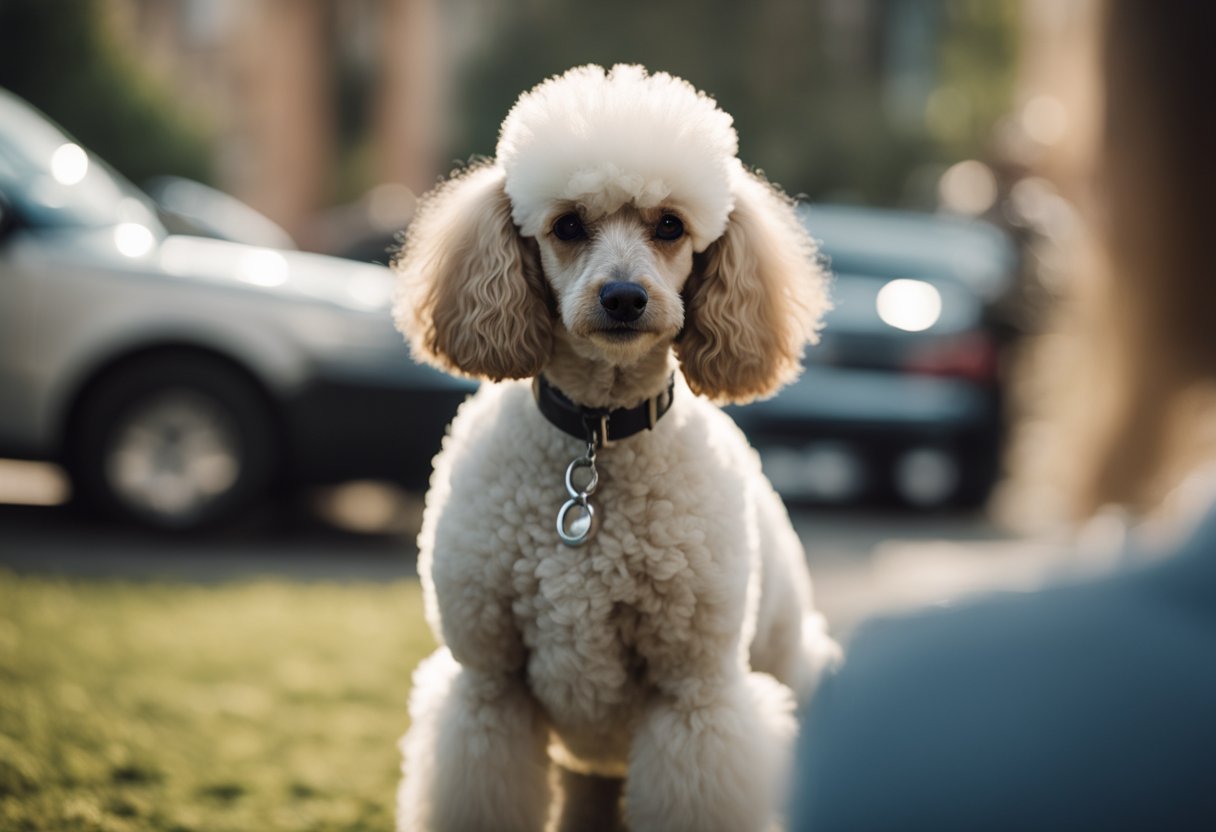
Understanding jealousy in poodles is key to fostering a healthy relationship. Factors such as lack of exercise, insufficient attention, or a change in routine can trigger these feelings. With proper care and attention, owners can minimize jealousy and ensure their poodles feel secure and loved.
Learning about a poodle’s emotional needs can help in addressing jealousy effectively. With the right approach, owners can create a nurturing environment that supports their poodle's emotional well-being.
Understanding Poodle Behavior
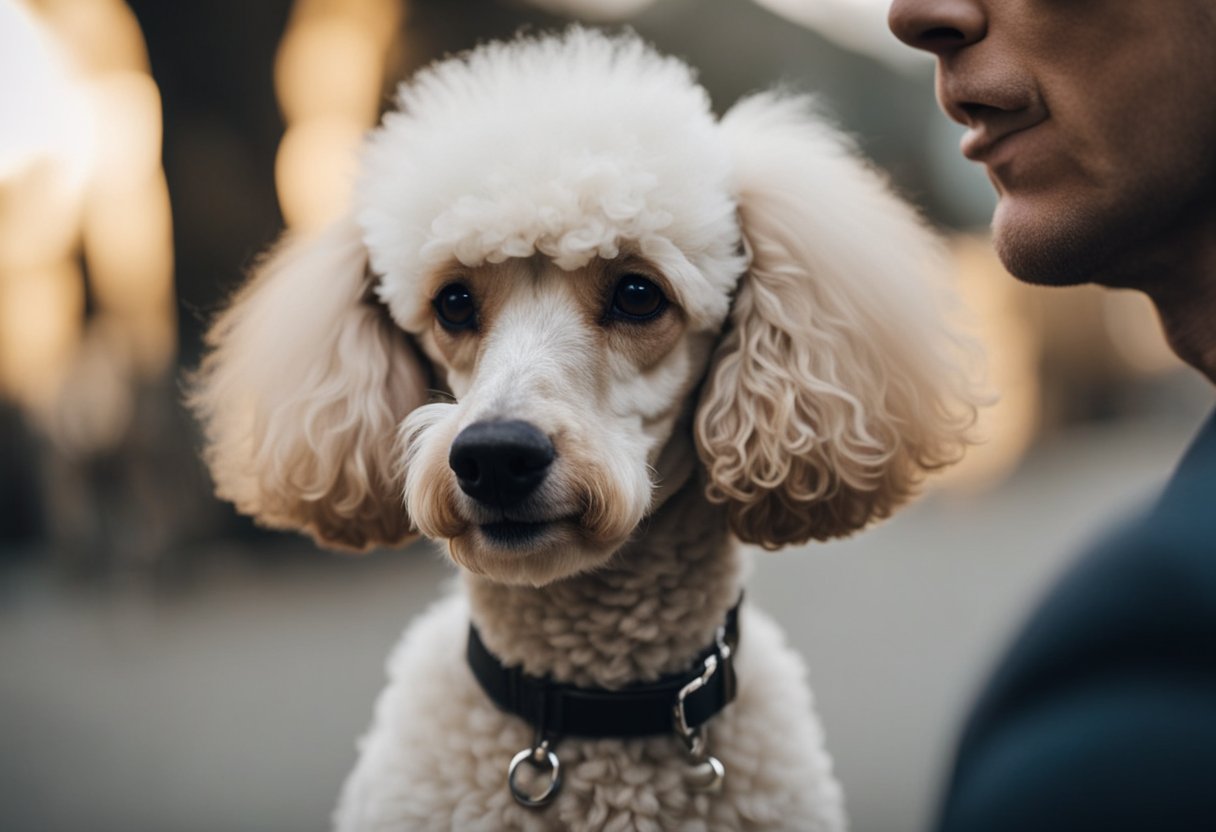
Poodles are known for their intelligence and emotional depth. Their behavior is shaped by their origins, social dynamics, and unique traits that can lead to feelings of jealousy.
Origins and Temperament
Poodles originated in Germany as water retrievers and later gained popularity in France. Their breeding emphasized intelligence and adaptability. As a result, they are often highly trainable and responsive to human emotions.
Poodles have a friendly and playful temperament. They form strong bonds with their families. This loyalty makes them sensitive to changes in their environment, which can include new pets or family members. Their history as working dogs means they thrive on mental and physical challenges.
Social Dynamics and Attachment
Poodles are social animals that value their relationships. They enjoy being part of a family and often seek attention from their owners. This strong attachment can lead to jealousy if they feel neglected.
In a household with multiple pets, Poodles may compete for attention. Their need for social interaction is vital for their happiness. Owners should ensure they are meeting their Poodle's emotional needs to prevent jealousy and related issues.
Signs of Jealousy in Poodles
Poodles can show jealousy in various behaviors. Common signs include whining, barking, or pushing themselves between their owner and another pet. They might also engage in attention-seeking behaviors, such as bringing toys or attempting to be the center of attention.
More severe signs might include aggressive behavior towards other pets or marking territory. Owners should be aware of these signs and address them quickly. Positive reinforcement and consistent attention can help manage jealousy effectively.
Managing Jealousy in Poodles

Jealousy in poodles can be managed effectively through training techniques and environmental enrichment. These strategies aim to reduce feelings of insecurity while promoting a positive and engaging atmosphere.
Training Techniques to Mitigate Jealous Behavior
Training is essential to prevent jealousy in poodles. Positive reinforcement techniques can help modify behavior. For instance, rewarding a poodle with treats or praise when they remain calm around other pets or people can reinforce good behavior.
Basic commands like "sit," "stay," and "leave it" are also important. Teaching these commands provides structure and helps poodles understand expectations. It's crucial to practice these commands regularly in various situations to build confidence.
Socialization is another key aspect. Exposing poodles to different people and animals from a young age helps them feel secure. This experience reduces the chances of developing jealous behavior later.
Environmental Enrichment Strategies
Creating an engaging environment can greatly help in managing jealousy. Poodles thrive on mental and physical stimulation. Providing ample exercise through daily walks, playtime, and activities keeps a poodle satisfied and less prone to jealousy.
Interactive toys and puzzles can stimulate a dog’s mind. These can distract them and reduce focus on perceived competition. Items like treat-dispensing toys promote independent play, which is beneficial.
Designating personal spaces for each pet can also help. Each poodle should have its own bed or area. This approach minimizes feelings of territory competition and fosters a sense of security.
このブログへのコメントはmuragonユーザー限定です。